Observing Comet C/2014 Q2 (Lovejoy)

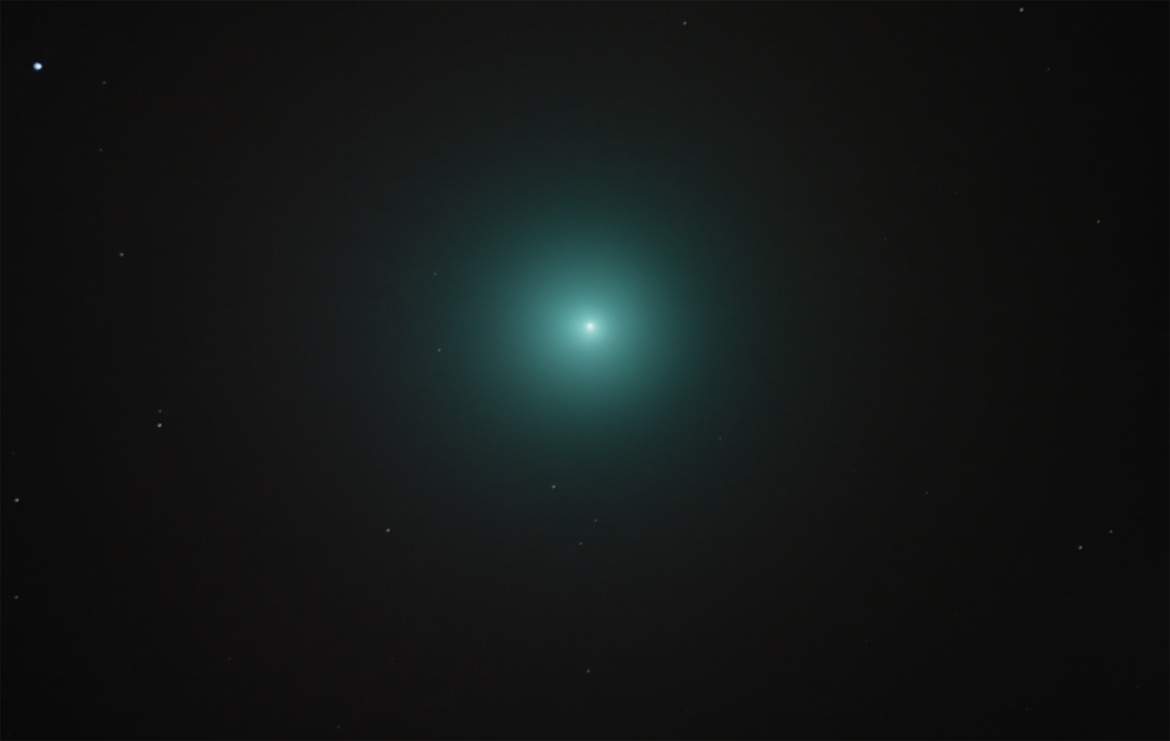
With -15° degree weather astrophotography in January is not for the faint of heart! However, with so few clear nights these past few months it’s worth braving the elements for a personal encounter with comet C/2014 Q2 (Lovejoy). Lovejoy is now naked eye visible but its very faint and hard to spot unless you know exactly where to look. From my somewhat light polluted skies in Dundas the comet can be seen as a tiny, dim dot right of Orion. With a telescope the view improves and using my 8″ scope Lovejoy can be seen as a fuzzy patch but unmistakable comet. With the wonders of auto-guiding, digital photography, and stacking software more detail can be explored through the photons captured by CCD sensor.
Continue Reading

Comet Lovejoy Naked Eye

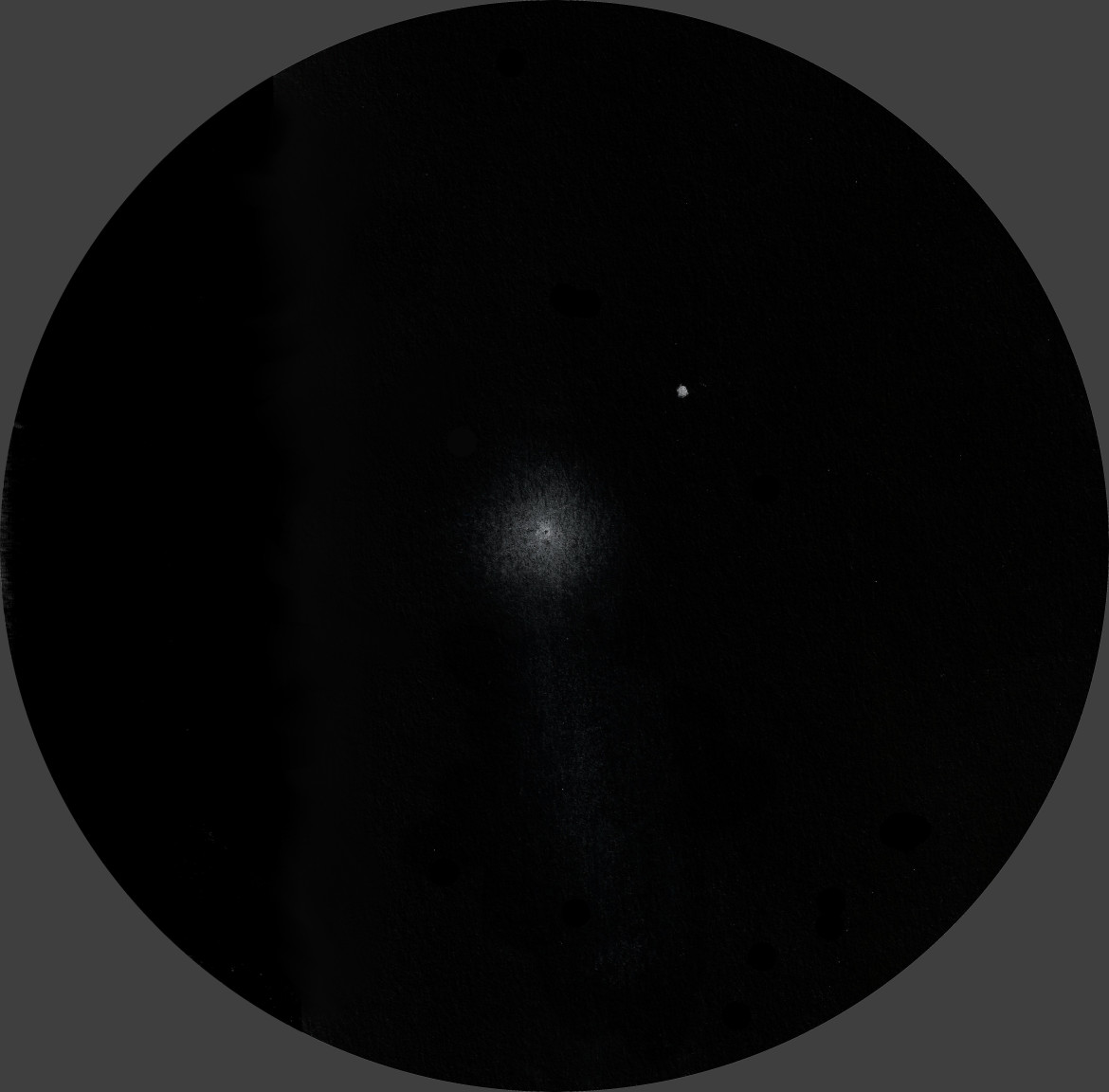
Last night finally gave some decent skies, so I ventured out into my backyard on the West Mountain to take a peek at Comet Lovejoy(even though it was -15°). The comet is now visible to the naked eye even from moderately light polluted skies, and I imagine from a dark sky site it would look fantastic. The comet is moving higher and higher into the sky, and already has dropped below magnitude +5. Through my 10″ Dobsonian, the comet was certainly a treat. The coma is quite large and fades nicely into the background sky, while the nucleus is small, stellar and bright. A hint of a tail can even be seen running east from the nucleus (although it could just be averted imagination – more observations are needed to be sure). The picture below is an inverted sketch I made of Lovejoy last night – mainly from memory and a very rough initial sketch as I wasn’t willing to sit at the eyepiece for 45 minutes drawing at that temperature. I encourage anyone who can to go outside and take a peek at the comet through their scopes and binos, and at very least try and find it with the naked eye – here is a link to Sky and Telescope giving locations and descriptions!
Continue Reading

Astronomical Observations for the Unaided Eye

General Meeting for February 13, 2015 @ 7:30pm

Astronomical Observations for the Unaided Eye

In a world of ever larger and more expensive telescopes, amateur astronomers often pass over the wonder above them that can only be seen with the most complex yet readily available optical instrument of them all – the unaided eye. From comets to crepuscular rays and from the northern lights to noctilucent clouds, there is an entire universe waiting, both literally and figuratively before your eyes.

Continue Reading

January Event Horizon Newsletter

The latest issue of our club’s Event Horizon newsletter is now available.

In this issue you’ll find…

  • The Sky This Month
  • The 2015 HAA Celestial Events Calendar
  • Bernie Venasse’s 2014 Highlights
  • B.A.S.E.F. and H.A.A. 2014 Year in Review
  • Plus Much More!

Download your copy from the newsletters section.

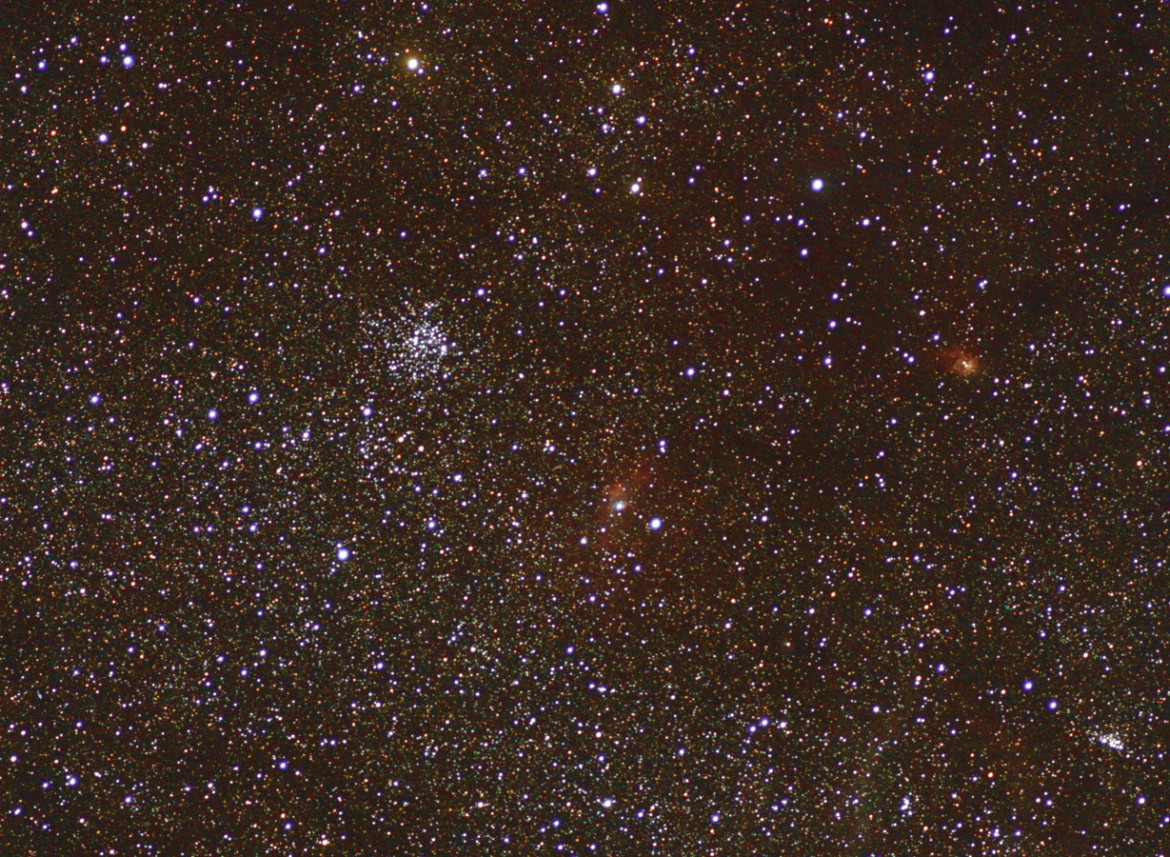
Photo credit: M52 and the Bubble Nebula Area by Bob Christmas.

Comet Lovejoy

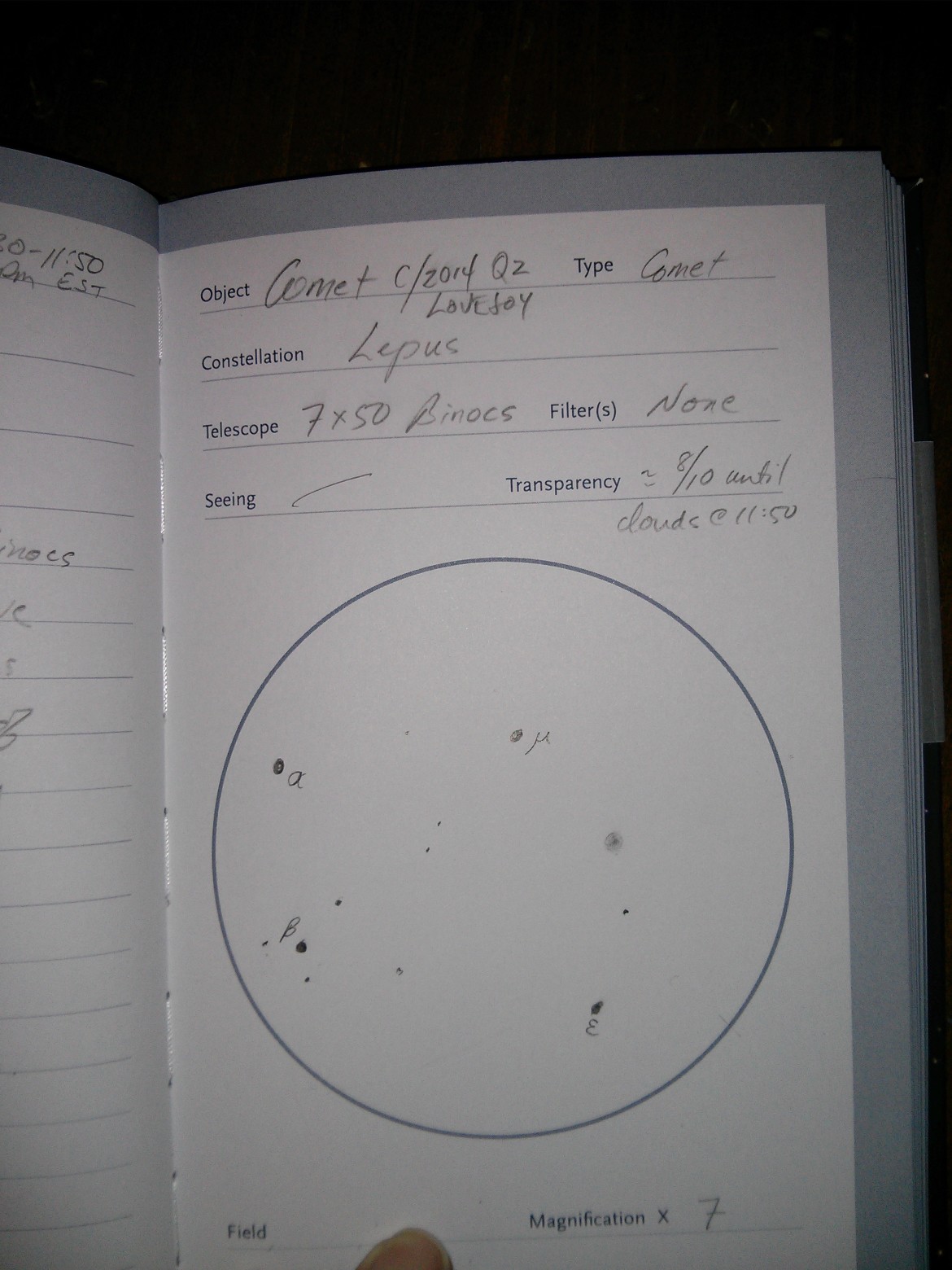
Last observation of 2014: Comet Lovejoy in Lepus. Comet appeared as a circular smudge in 7×50 binocs. No tail was visible. Comet is dimmer than magnitude 4.9

Happy New Year!

General Meeting for Janurary 9, 2015 @ 7:30pm

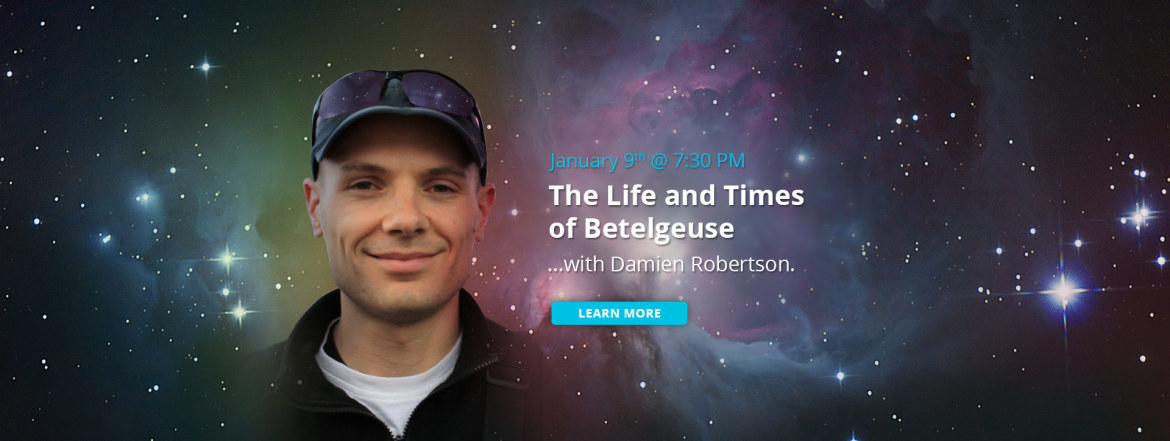
The Life and Times of Betelgeuse

This is a adaptation of a successful planetarium show I ran while at McMaster. The show focuses on a ‘recap’ of the life of Betelgeuse as it inches closer towards supernova and explores star formation, evolution and death. I’ll also talk about how planet formation is an intrinsic process in star formation as well. I’ll modify the talk to include more observational details and current images.

Continue Reading

December Event Horizon Newsletter

The latest issue of our club’s Event Horizon newsletter is now available.

In this issue you’ll find…

  • The Sky This Month
  • The 2015 HAA Celestial Events Calendar
  • Interstellar (Movie Review)
  • Harvey Garden’s Binocular Box
  • Scenes From The Fall 2014 Telescope Clinic
  • Plus Much More!

Download your copy from the newsletters section.

Photo credit: November 7 Telescope Clinic by John Gauvreau.

Lunar Sights

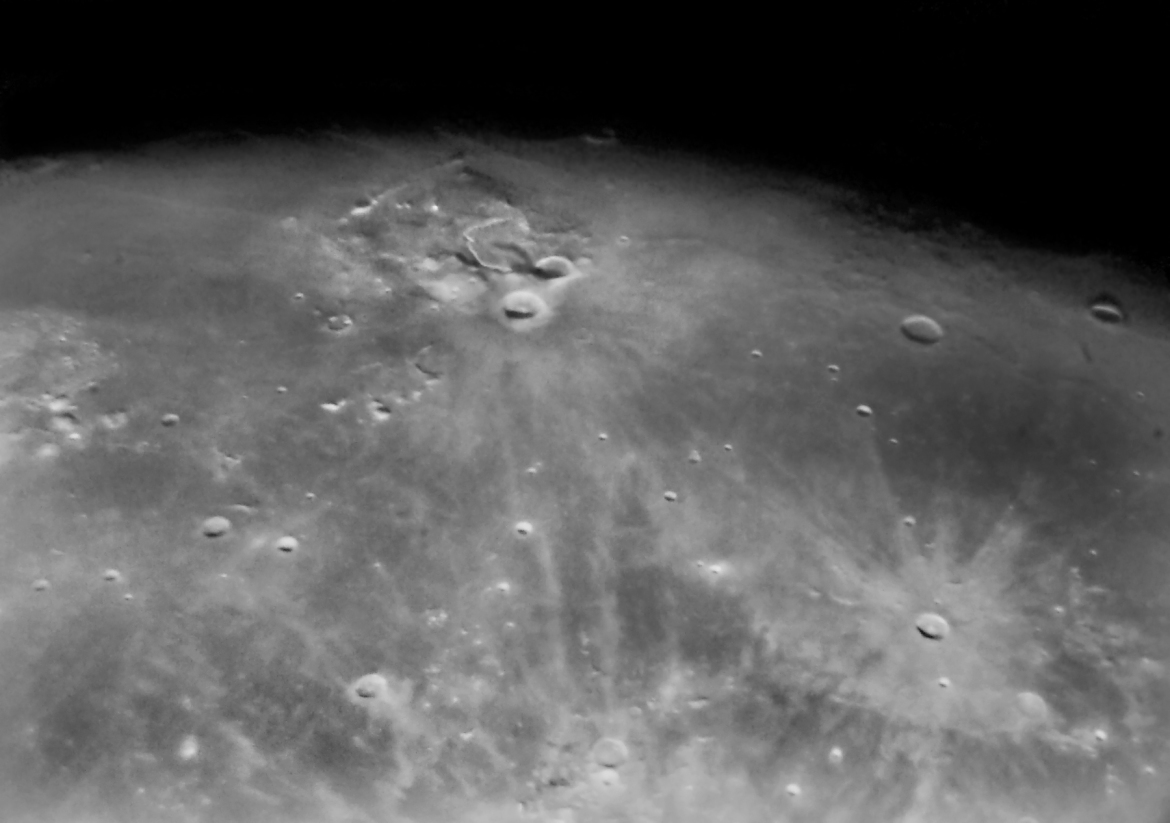
Not wanting to pass up a rare clear night, and despite the cold temperatures, I got out with my telescope and began with a below average view of the Orion nebula, due to light pollution from both the city and moon. I then went on to a spectacular view of Jupiter. The bands were detailed and the moons looked like little disks at 180x in my scope. Jupiter is always fascinating through a telescope, with the parade of constantly changing moons and the cloud bands swirling though new patterns all the time.  I am looking forward to the upcoming months when Jupiter will be better placed and visible every night.  Finally, I turned to the moon, as it was unavoidable on a night like tonight.
Continue Reading

General Meeting for December 12, 2014 @ 7:30pm

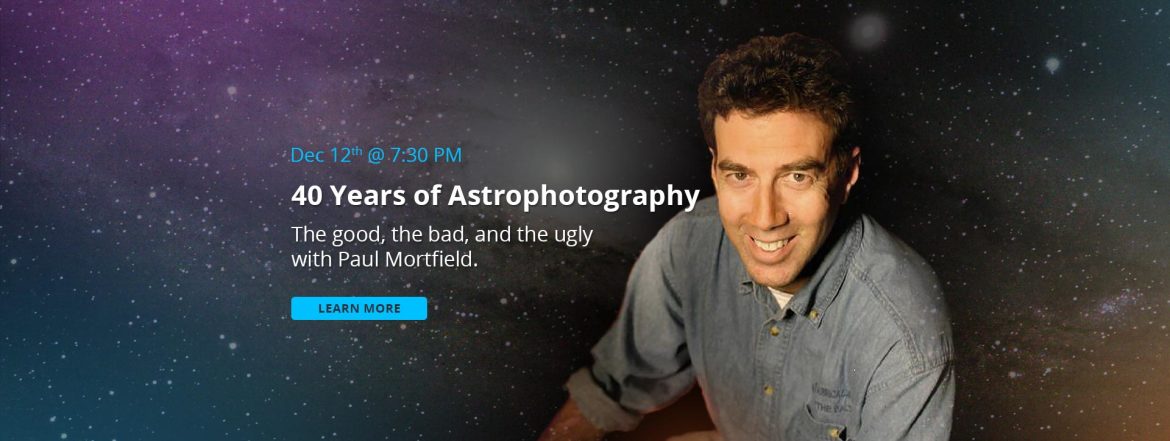
40 Years of Astrophotography – the Good, the Bad and the Ugly

With the advances in digital cameras today, many people are trying to photograph the night sky. It’s always easy to show the successes in astrophotography, but there are many attempts that can easily frustrate and dishearten beginners. I will share the often humorous experiences of things gone wrong, and the journey to obtaining a successful astro-photograph.

Paul Mortfield is Chair of the David Dunlap Observatory in Richmond Hill and a member of the RASC Toronto Centre. He has worked on NASA’s SOHO and LCROSS missions and hosted educational broadcasts on NASA-TV. His astro-photos have appeared in museums, magazines, calendars and on NASA’s “Astronomy Picture of the Day” webpage.
Continue Reading

November Event Horizon Newsletter

The latest issue of our club’s Event Horizon newsletter is now available.

In this issue you’ll find…

  • The Sky This Month
  • Total Lunar Eclipse Gallery
  • Partial Solar Eclipse Gallery
  • Operation Paperclip
  • Unexplainable Flapping Objects
  • Plus Much More!

Download your copy from the newsletters section.

Photo credit: Partial Solar Eclipse of Oct. 23 by John Gauvreau.